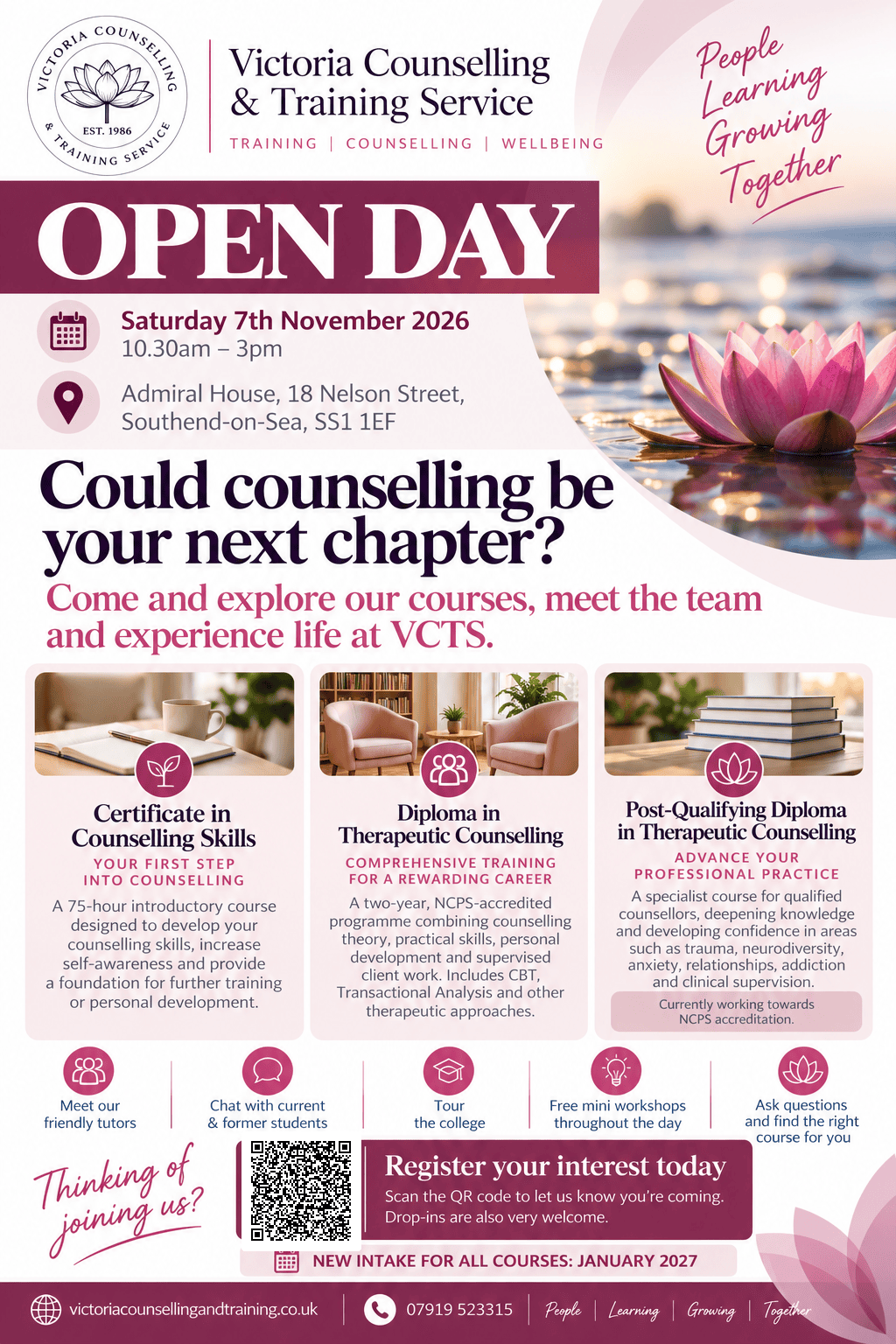
Choosing where to train as a counsellor is a significant decision. Your choice affects how confident you feel, how prepared you are for client work, and how supported you feel throughout your training. Many people automatically look to colleges and universities, assuming they offer the strongest route to success. Independent counselling training courses, however, often provide a learning experience that is more practical, personal, and closely aligned with real counselling practice.
Both routes have advantages and limitations. Understanding these differences clearly allows you to choose the option that best fits your learning style, professional goals, and personal circumstances.
The Strengths Of College And University Counselling Courses
College and university counselling programmes benefit from long-standing academic recognition. For some learners, this structure feels familiar and reassuring. Educational institutions offer formal qualifications that are widely recognised, and their programmes often provide a strong foundation in counseling theory, research, and psychological models.
This academic emphasis can be valuable, particularly for those who enjoy structured study and theoretical exploration. Universities also offer access to libraries, research materials, and a broader range of academic resources that can deepen conceptual understanding.
However, the academic nature of these courses can also be a limitation. Counselling is a relational and skills-based profession, yet university programmes often prioritise essays, exams, and assessment criteria over practical skills development. Many trainees report that while they understand counselling concepts well, they feel less confident applying them in real sessions. Large class sizes can further reduce opportunities for skills practice and individual feedback, leaving some students feeling unseen or unsupported.

The Practical Advantages of Independent Counselling Training
Independent counselling training courses are specifically designed to reflect the realities of counselling work. Rather than fitting counselling into an academic framework, independent providers build their courses around skills development, ethical practice, and personal growth.
At Victoria Counselling and Training, learning focuses on developing your confidence and competence as a counsellor. Practical skills are embedded throughout the training, allowing you to practise regularly and reflect on your development in a supportive environment. Theory is taught in direct relation to practice, making it easier to understand how concepts apply when working with clients.
This approach helps bridge the gap between knowing about counselling and actually being a counsellor, something many graduates of academic courses find challenging when they enter practice.
Class Size and the Quality of Learning
One of the most significant differences between independent training and larger institutions lies in class size. College and university cohorts can be large, which limits discussion, skills practice, and personal interaction with tutors. In these settings, it can be challenging to receive detailed feedback or to feel confident speaking openly in groups.
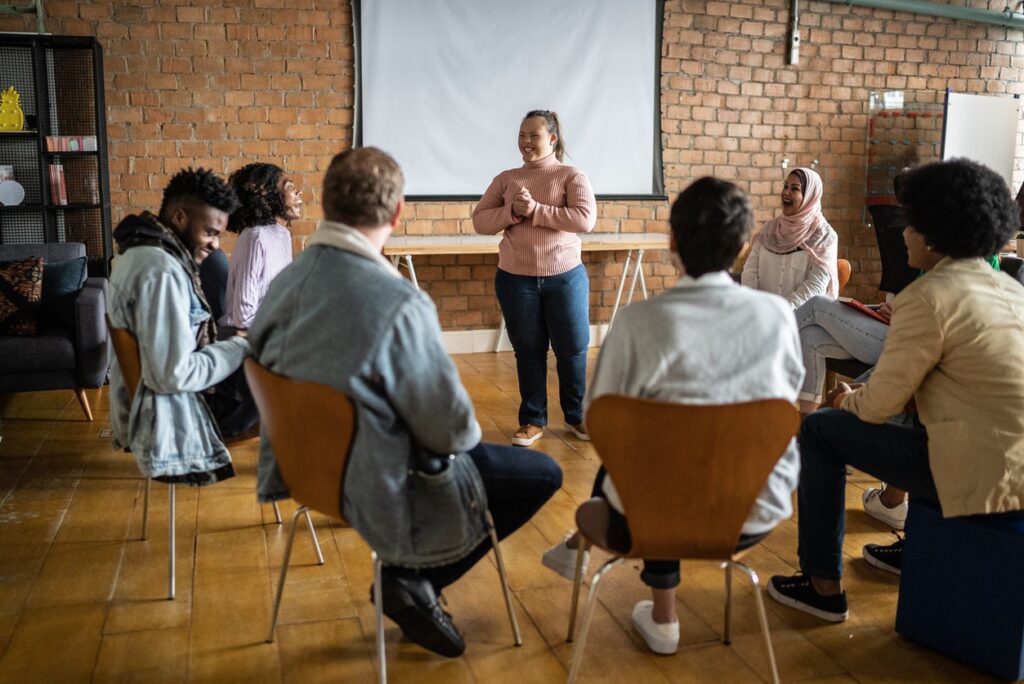
At Victoria Counselling and Training, class sizes are limited to a maximum of twelve people. This creates a calmer, more focused learning environment where each student has space to engage fully. Smaller groups encourage trust, which is essential in counselling training, where reflection and emotional awareness are integral to the learning process.
This setting allows tutors to observe your development closely and tailor their guidance to your individual needs, something that is rarely possible in larger academic programmes.

Support and Accessibility During Training
Learning to be a counsellor often brings personal and professional challenges. Access to support plays a crucial role in how students experience their training. In colleges and universities, tutors may be responsible for large numbers of students, which can limit availability for one-to-one support.
Independent counselling training places greater emphasis on accessibility and care. At Victoria Counselling and Training, one-to-one support is always available. This ensures that you can explore difficulties, ask questions, and receive reassurance when needed. This level of support helps students build confidence steadily rather than feeling overwhelmed or unsure.
While this close support requires commitment and engagement from students, it enhances both learning and personal development.
Recognition, Qualifications, and Career Progression
A common concern about independent training is whether qualifications are recognised. This is a valid question, especially for those entering the profession for the first time. Reputable independent providers offer recognised qualifications that meet professional standards and support progression into practice.
Victoria Counselling and Training offers structured pathways through its Counselling Skills Course, Diploma in Therapeutic Counselling, and Practitioner Diploma in CBT. These courses are designed to support skill development, promote ethical awareness, and prepare students for professional work.
Unlike some academic routes that prioritise degree-level outcomes, independent courses often focus more directly on preparing you to work safely and effectively with clients.
Flexibility and Learning as an Adult
Many people who choose counselling training are balancing work, family, or a career change. College and university courses often follow fixed academic calendars and rigid timetables, which can be challenging for adult learners.
Independent training providers tend to offer more flexibility, allowing students to integrate learning into their lives more easily. This flexibility reduces pressure and supports long-term engagement with training. While this requires personal responsibility and commitment, it often results in a more sustainable and positive learning experience.
The Learning Culture and Personal Development
Counselling training involves more than acquiring skills; it also involves personal growth. Independent training environments tend to reflect the values of counselling itself, emphasising safety, respect, reflection, and relationship.
Smaller groups, consistent tutors, and a supportive culture help create a sense of community. This environment supports emotional resilience and self-awareness, which are essential qualities for counsellors. Larger institutions may struggle to offer this depth of relational learning due to scale and structure.
Making the Right Choice for Your Counselling Journey
College and university counselling courses offer an academic structure and theoretical depth, which suits some learners well. Independent counselling training offers practical relevance, personal support, and confidence-building that many find better prepares them for real counselling work.
At Victoria Counselling and Training, small class sizes, accessible one-to-one support, and carefully designed courses create a learning experience that feels personal, focused, and professionally grounded.
Begin Your Training with Confidence
If you are considering counselling training and want an approach that prioritises confidence, practical skills, and meaningful support, Victoria Counselling and Training offers a clear and supportive pathway. Whether you begin with a Counselling Skills Course or progress towards a Diploma in Therapeutic Counselling or a Practitioner Diploma in CBT, you will be supported throughout your journey.